The Science of Sound: Optimizing Audio for Conferences, Seminars, and Product Launches
How Acoustics and Audio Design Shape Clear Communication and Audience Engagement at Live Events
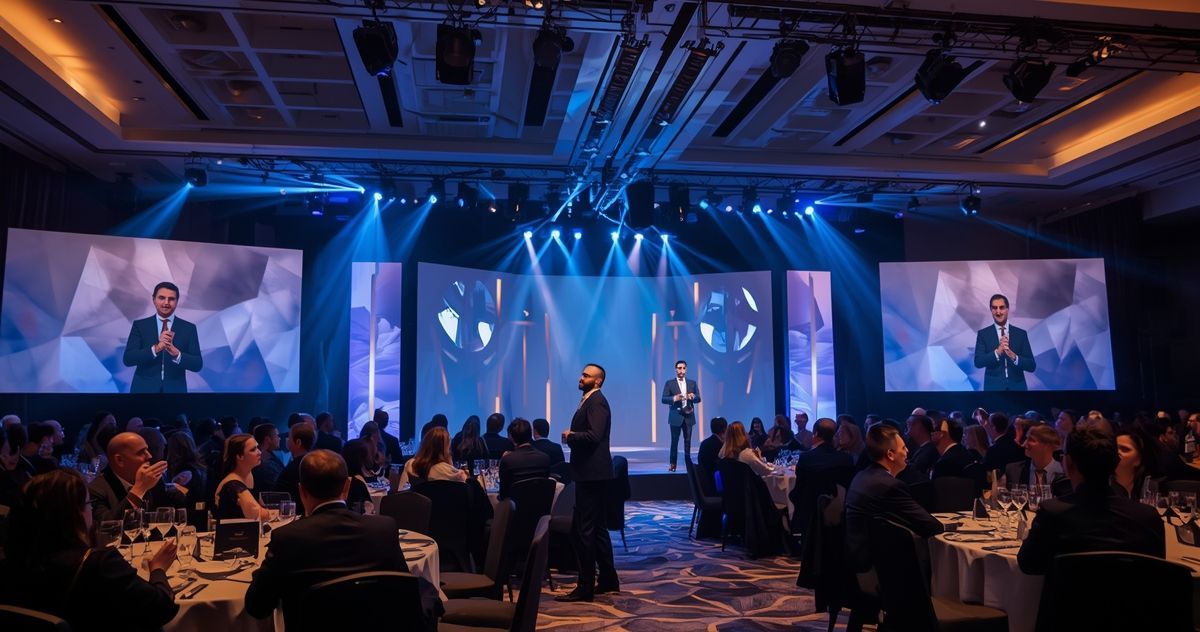
Sound is one of the most overlooked elements of live events, yet it has the greatest impact on how people absorb information. At conferences, seminars, and product launches, audio quality shapes attention, clarity, and credibility. If the audience cannot clearly hear a speaker, a panel discussion, or a product reveal, even the most well-planned event can lose momentum.
Event Factor focuses on professional event production, working closely with event planners and coordinators to deliver reliable, high-quality audio experiences. By treating sound as both a technical and human science, production teams help ensure that every word reaches the audience exactly as intended.
Why Audio Quality Defines the Event Experience
People attend conferences and launches to learn, connect, and be inspired. Audio is the bridge between the speaker and the audience. When that bridge is weak, frustration sets in quickly.
Poor sound can lead to:
- Missed key points during presentations
- Audience fatigue and disengagement
- Distracting feedback or uneven volume
- Reduced trust in the brand or message
Clear, balanced audio supports focus and makes speakers sound confident and credible. In corporate environments, this matters because messaging is often tied to strategy, innovation, or leadership direction.
Understanding How Sound Travels in Event Spaces
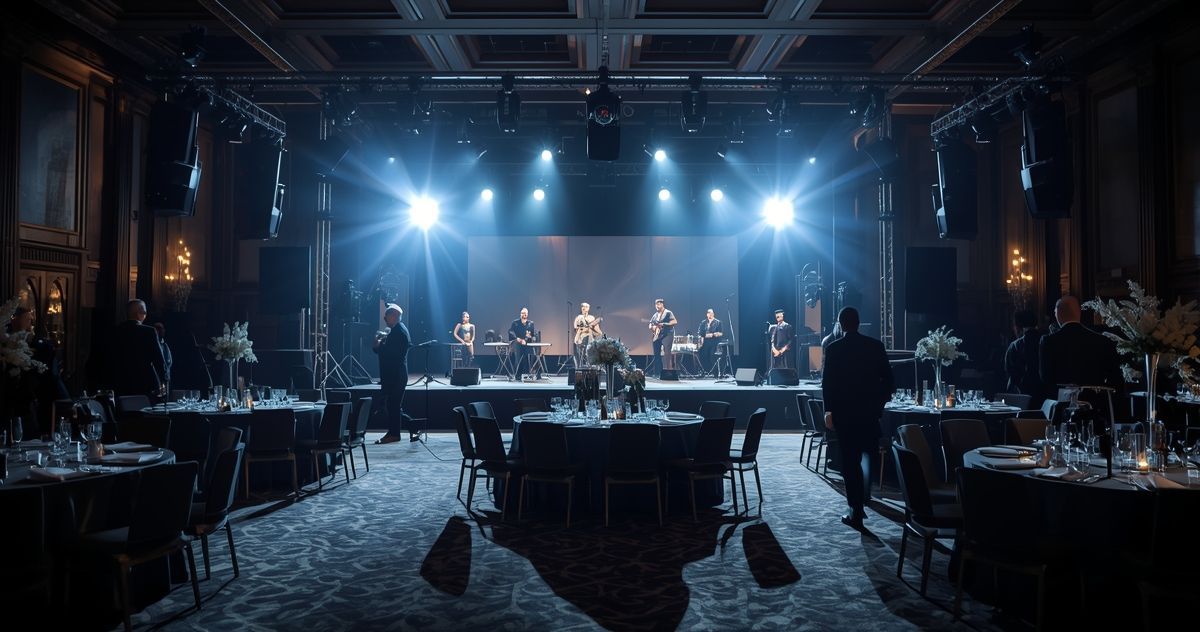
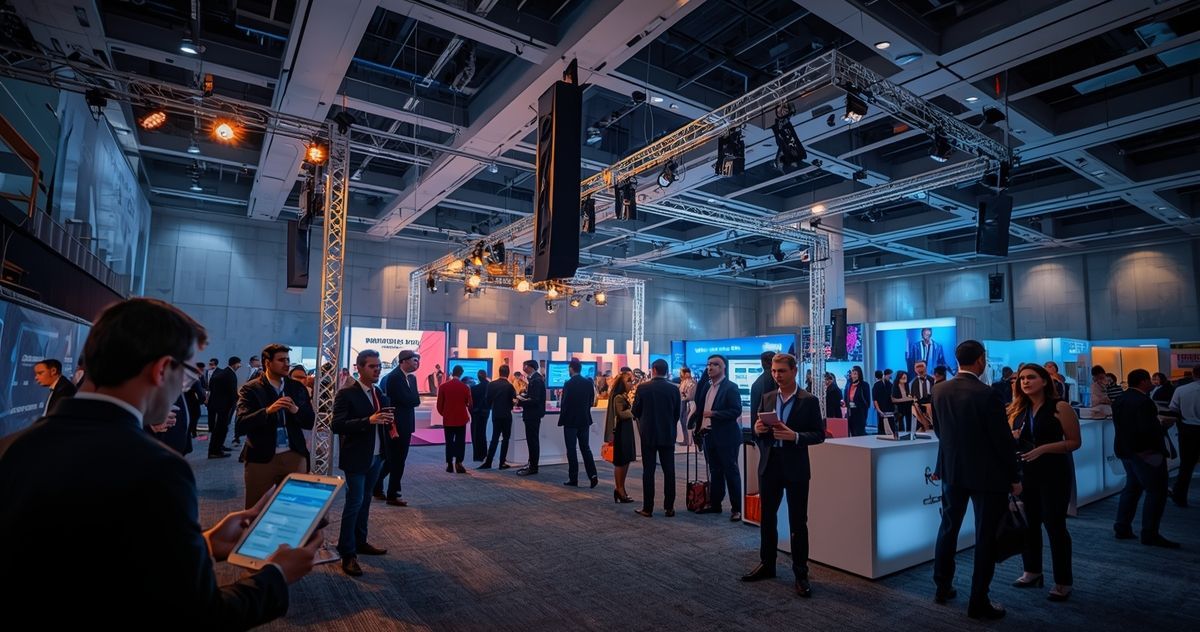
Every venue has its own acoustic personality. Large ballrooms, conference halls, and open expo floors all interact with sound differently. Hard surfaces reflect sound, while soft materials absorb it. Ceiling height, room width, and seating layout all influence how audio behaves.
Professional audio production starts with understanding these variables. Before equipment is placed, production teams evaluate the room to determine speaker placement, microphone types, and sound coverage zones.
Key factors considered include:
- Room size and shape
- Ceiling height and materials
- Audience density
- Ambient noise from HVAC or nearby spaces
- Stage and screen placement
This assessment allows sound systems to be tailored to the environment instead of relying on a one-size-fits-all setup.
Matching Microphones to the Moment
Microphones are not interchangeable. Choosing the right type for each speaker and segment is critical for clarity and comfort.
For conferences and seminars, common microphone options include:
- Lavalier microphones for hands-free presentations
- Handheld microphones for audience Q and A sessions
- Headset microphones for presenters who move frequently
- Podium microphones for formal keynote speeches
At product launches, microphones must also handle dynamic movement and quick transitions. The goal is to capture voices naturally without forcing speakers to adjust their delivery.
Event Factor supports planners by selecting and managing microphone setups that suit the event format while remaining discreet and reliable.
Speaker Placement and Sound Coverage
Where speakers are placed matters just as much as the equipment itself. Poor placement can create dead zones, echoes, or overpowering volume in certain areas.
Professional audio production focuses on even sound distribution so every attendee hears the same clear message, whether they are in the front row or the back of the room.
This often involves:
- Strategically placed main speakers for broad coverage
- Delay speakers for larger spaces
- Front-fill speakers for stage-edge clarity
- Subtle volume balancing across zones
The result is consistent audio that feels natural and effortless to the audience.
Managing Sound for Panel Discussions
Panel discussions introduce additional challenges. Multiple speakers, overlapping dialogue, and varying speaking styles can quickly disrupt audio balance.
Production teams manage this by carefully setting microphone levels, monitoring live audio, and making real-time adjustments. This ensures that quieter speakers are heard without amplifying background noise or causing feedback.
Clear audio during panels encourages engagement and keeps conversations flowing, which is especially important at educational seminars and industry conferences.
Audio and Visual Working Together
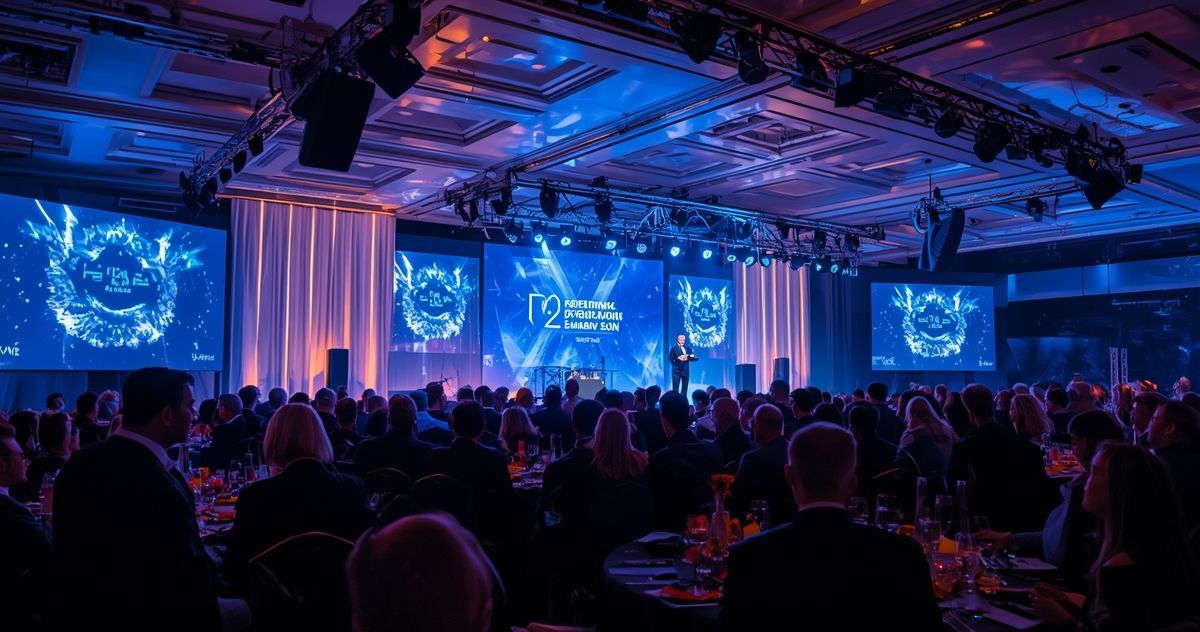
Sound does not exist in isolation. It works best when aligned with visuals. Slides, videos, and live demos all rely on audio to provide context and emphasis.
During product launches, audio cues can heighten anticipation. A well-timed sound transition or video reveal creates a sense of excitement that visuals alone cannot achieve.
This is where professional Audiovisual production Miami services play a key role. When audio and visuals are synchronized, the message feels polished and intentional.
Reducing Distractions and Technical Issues
Nothing breaks immersion faster than audio problems. Feedback, microphone dropouts, or sudden volume changes pull attention away from the content.
Preventing these issues requires preparation and active monitoring. Sound checks, rehearsals, and backup equipment are standard practices in professional event production.
Production teams remain attentive throughout the event, adjusting levels as speakers change and the room fills with people. This behind-the-scenes work ensures that attendees never have to think about the audio at all.
Supporting Speakers for Better Delivery
Good audio also supports speakers psychologically. When presenters hear themselves clearly through stage monitors or confidence speakers, they speak more naturally and with greater confidence.
Production teams work with planners to ensure that speakers are comfortable with their microphones and aware of how to use them effectively. This small detail can significantly improve delivery, especially for executives or product leaders who may not present frequently.
Scaling Audio for Different Event Sizes
A seminar with 50 attendees requires a very different audio approach than a conference with 1,000 guests. Scalable sound design allows production teams to adapt without sacrificing quality.
Smaller events may focus on clarity and intimacy, while larger events prioritize coverage and consistency. In both cases, the principles remain the same: clarity, balance, and reliability.
As an experienced Event production company Miami, Event Factor adapts audio strategies to match the scope and purpose of each event while supporting the planner’s overall vision.
Audio for Hybrid and Live Streamed Events
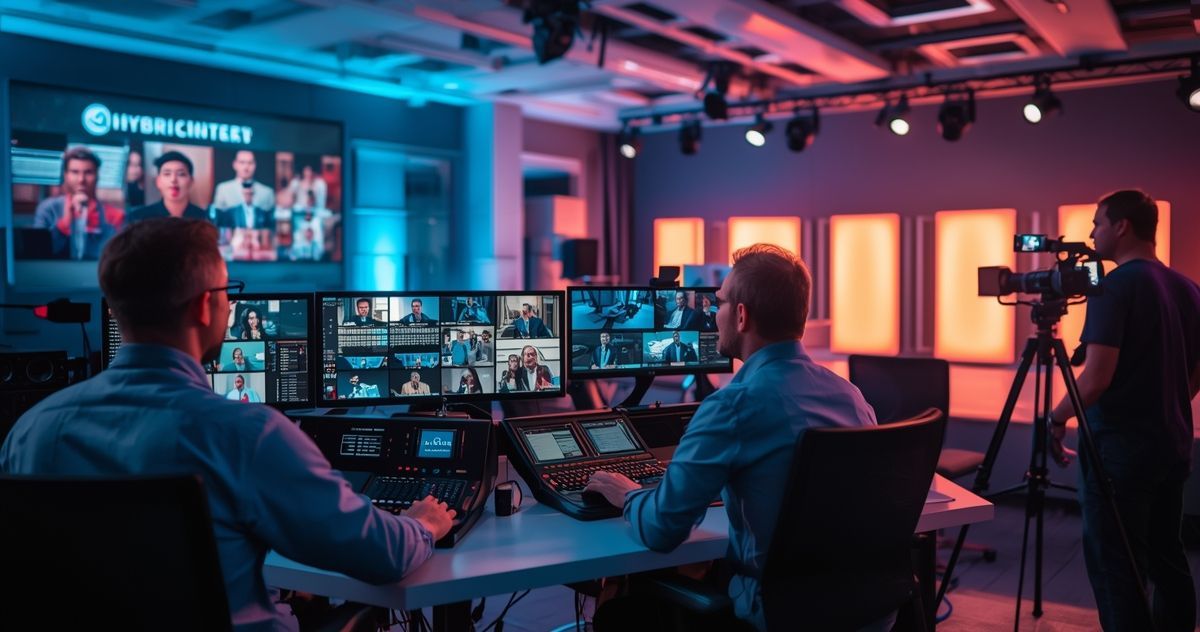
Many conferences and product launches now include virtual audiences. This adds another layer to audio production. Sound must be optimized not only for the room but also for recording and live streaming.
Production teams manage separate audio feeds to ensure online viewers hear clean, balanced sound without room echo or crowd noise overpowering speakers. This approach creates a professional experience for both in-person and remote attendees.
Hybrid events rely heavily on audio quality to maintain engagement across platforms, making professional sound production more important than ever.
The Value of Professional Audio Production
Audio may be invisible, but its impact is unmistakable. Clear sound builds trust, enhances understanding, and elevates the overall experience of conferences, seminars, and launches.
Working with experienced production partners allows planners to focus on content and logistics while knowing that sound is handled with care and expertise. This collaboration is especially valuable for corporate environments where messaging and brand perception matter.
Event Factor operates alongside planners and coordinators, delivering dependable audio support as part of a full Event production Miami FL approach. Their work aligns with the standards expected from leading AV services in Miami, ensuring that every event sounds as good as it looks.
Sound shapes how people remember an event. When audio is optimized, messages land clearly, speakers feel supported, and audiences stay engaged from start to finish.
If you are planning a conference, seminar, or product launch and want audio that strengthens your message without drawing attention to itself, learn how Event Factor can support your production needs. Visit https://www.theeventfactor.com/ to explore how professional sound design can elevate your next event experience.