
The Impact of Experiential Production on Employee Engagement Events
February 2, 2026
Creating memorable moments that strengthen culture and engagement
Employee engagement events have changed a lot in recent years. Teams are no longer excited by standard presentations, basic stage setups, or long speeches in generic rooms. Employees want experiences that feel thoughtful, immersive, and worth their time. This is where experiential production plays a powerful role.
Experiential production focuses on creating environments that connect people to ideas, messages, and each other. It uses lighting, sound, visuals, interactive elements, and storytelling to turn an event into a shared experience. When done well, it helps employees feel valued, involved, and energized long after the event ends.
For companies investing in internal events, understanding how experiential production shapes engagement can make a real difference in turnout, participation, and overall impact.
What Experiential Production Really Means
Experiential production goes beyond basic event setup. It is not just about lights, screens, or music on their own. It is about how all those elements work together to create a mood, guide attention, and support a clear purpose. At its core, experiential production is about designing how people feel during an event. Every detail contributes to that feeling, from the moment employees enter the space to the way sessions flow and how the event wraps up. Common elements of experiential production include:- Purposeful lighting that supports energy levels and focus
- Sound design that keeps voices clear and music engaging
- Visual storytelling through screens, projections, and graphics
- Interactive zones that invite participation
- Seamless transitions that maintain momentum
Why Employee Engagement Events Matter More Than Ever
Employee engagement is closely tied to productivity, retention, and workplace culture. According to Gallup, engaged employees are more likely to perform well, stay with their employer, and feel connected to company goals. Events play a key role in reinforcing that connection. Internal events often serve multiple purposes at once. They may celebrate achievements, share company updates, support training, or bring teams together across departments. If the experience feels flat or forgettable, the message often gets lost. Experiential production helps ensure that the effort and resources put into an event actually translate into engagement. It transforms passive attendance into active involvement.Creating Emotional Connection Through Experience
People remember how an event made them feel more than what was said word for word. Experiential production taps into this by creating emotional moments that resonate. Lighting can signal excitement or focus. Music can set the tone before a keynote begins. Visuals can reinforce key messages in a way that feels natural rather than forced. When employees feel emotionally connected, they are more likely to:- Pay attention and stay present
- Participate in activities or discussions
- Share feedback and ideas
- Remember key messages after the event
Enhancing Focus and Reducing Distractions
Modern employees are used to polished digital experiences. When an event feels poorly produced, attention drifts quickly. Uneven sound, dull lighting, or cluttered visuals can distract from even the strongest content. Experiential production supports focus by creating a clean, intentional environment. Clear audio ensures speakers are easy to understand. Thoughtful lighting guides attention to the stage or screen. Well-designed visuals reinforce ideas without overwhelming the audience. These details may seem small, but together they shape how comfortable and engaged people feel throughout the event.Encouraging Participation and Interaction
Employee engagement events are most effective when employees are not just watching but actively participating. Experiential production supports this by making interaction feel natural and inviting. Interactive elements can include:- Live polls displayed on screens
- Q&A sessions with clear audio support
- Collaborative spaces with branded visuals
- Photo or media zones that encourage sharing
Supporting Clear and Consistent Messaging
One challenge with internal events is making sure key messages land clearly. Experiential production helps reinforce messaging through repetition and alignment across different elements. For example, visuals can echo themes introduced by speakers. Lighting colors can reflect brand identity. Music and transitions can signal shifts between topics. This consistency helps employees follow the flow of the event and understand what matters most. It also makes the experience feel professional and well-planned.Adapting to Different Event Types and Goals
Not all employee engagement events have the same goals. A team celebration requires a different approach than a training session or leadership summit. Experiential production is flexible enough to support many formats. For celebratory events, production may focus on energy, movement, and visual impact. For educational sessions, the emphasis might be clarity, comfort, and focus. Some events may also include hybrid or virtual elements. Experiential production can help bridge the gap between in-person and remote attendees by ensuring consistent visuals and sound quality for everyone involved.Building a Sense of Belonging
Well-produced engagement events can strengthen company culture. When employees see that time and care have gone into creating an experience for them, it sends a clear message that they matter. Shared experiences help build bonds between team members. Moments of applause, laughter, or reflection create a sense of unity that carries back into the workplace. This sense of belonging is especially important for larger organizations or teams that work across locations.Measuring the Impact of Experiential Production
The success of experiential production can be seen in both immediate and long-term results. Immediate indicators include audience participation, energy levels, and feedback during the event. Long-term impact may show up through:- Post-event surveys with higher satisfaction scores
- Increased engagement in follow-up initiatives
- Stronger alignment with company goals
- Improved attendance at future events
Choosing the Right Production Partner
Working with an experienced production team helps ensure that creative ideas are supported by reliable execution. A good partner understands how to balance creativity with logistics and technical needs. Companies planning employee engagement events often look for teams that also handle external events, such as Corporate event company Miami or Event production company Miami , because they bring a high standard of professionalism and creativity to every project. Some organizations also work with Event production companies in Florida that understand regional venues and logistics, which can help reduce stress during planning and execution.Integrating Production Without Overpowering the Message
It is important that production enhances the event rather than distracting from it. Experiential production should always support the purpose of the event. This means avoiding unnecessary effects or overly complex setups that pull attention away from speakers or content. The best experiences feel seamless and natural, even though a lot of planning happens behind the scenes. A thoughtful approach ensures that production serves the message and the people, not the other way around.Looking Ahead at the Future of Engagement Events
As employee expectations continue to rise, experiential production will play an even bigger role in engagement events. Technology will keep evolving, but the core goal will remain the same: creating meaningful experiences that connect people. Companies that invest in experience-driven events are better positioned to build strong cultures, retain talent, and communicate effectively. Employee engagement events are no longer just calendar items. They are opportunities to reinforce values, celebrate people, and inspire teams through shared experiences. For organizations looking to elevate their internal events, partnering with a team that understands experiential design and execution can make all the difference. To learn how immersive, well-produced events can support your engagement goals, explore what Event Factor offers at https://www.theeventfactor.com/ .Recent Posts
October 19, 2026
360 photo booth or traditional photo booth? Compare features, costs, guest experiences, and event options to find the best fit for your Miami celebration.
By JC Cultura Media House
•
October 5, 2026
Event Factor, a trusted South Florida events company, delivers professional DJ and MC services for weddings, corporate events, and celebrations.
By JC Cultura Media House
•
October 5, 2026
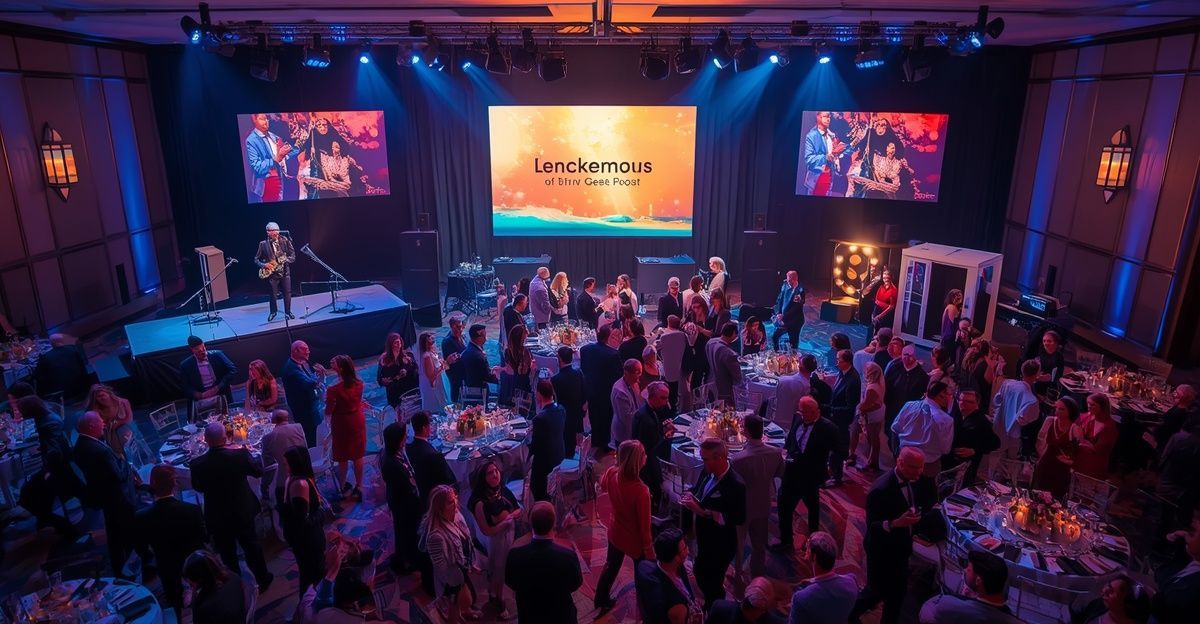
Discover entertainment ideas for corporate parties and galas from Event Factor, a trusted South Florida events company delivering DJs, AV, and lighting.